A Closer Look at the Work Behind the Beauty
Tulips are among the most iconic symbols of spring, but their journey to full bloom begins long before their colorful petals appear in the fields. The life cycle of a tulip is a testament to nature’s rhythms, and the hard work of farmers who make those breathtaking blooms possible.
At the Skagit Valley Tulip Festival, we celebrate more than just flowers—we celebrate the agricultural community that brings them to life. Here’s how tulips grow, and how farmers carefully steward this cycle from bulb to bloom and beyond.
Stage 1 – It All Starts with a Bulb
Tulips don’t grow from seeds like many other flowering plants. Instead, they begin as bulbs, which act like a storage system for the nutrients needed to fuel their future growth.
Farmers plant tulip bulbs in the fall, typically from late September through November, while the soil is still workable. The bulbs are placed several inches below the surface, where they will remain dormant throughout the winter.
Fun Fact: Tulip bulbs need a cold nap, called vernalization, before they can bloom. It’s like plant hibernation with a purpose!
Stage 2 – The Quiet Awakening
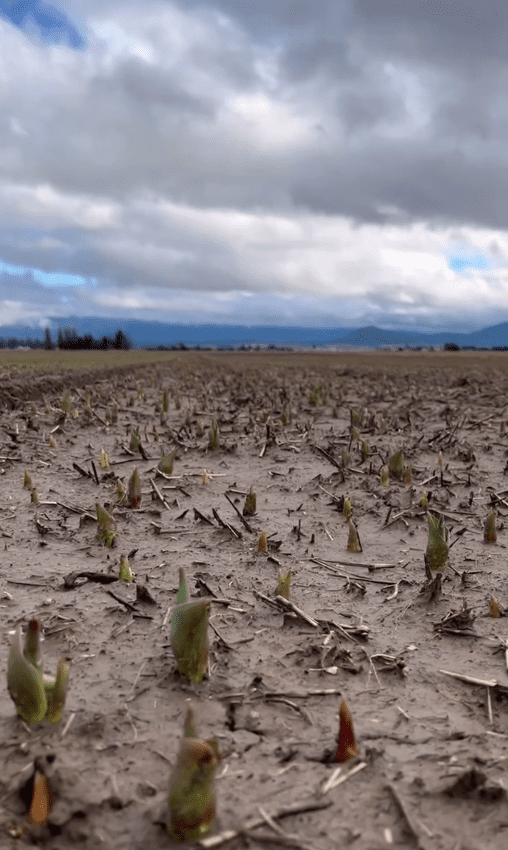
Come early spring, the soil warms, and the bulb gets the signal: showtime! Roots start growing down into the soil, anchoring the bulb, while shoots stretch up toward the light. This is when farmers and gardeners do a happy dance because things are about to get beautiful.
Did You Know? Even before blooming, tulips begin developing the flower inside the bulb. It’s like a tightly packed gift, waiting for just the right moment to be unwrapped.
Stage 3 – The Spring Bloom!
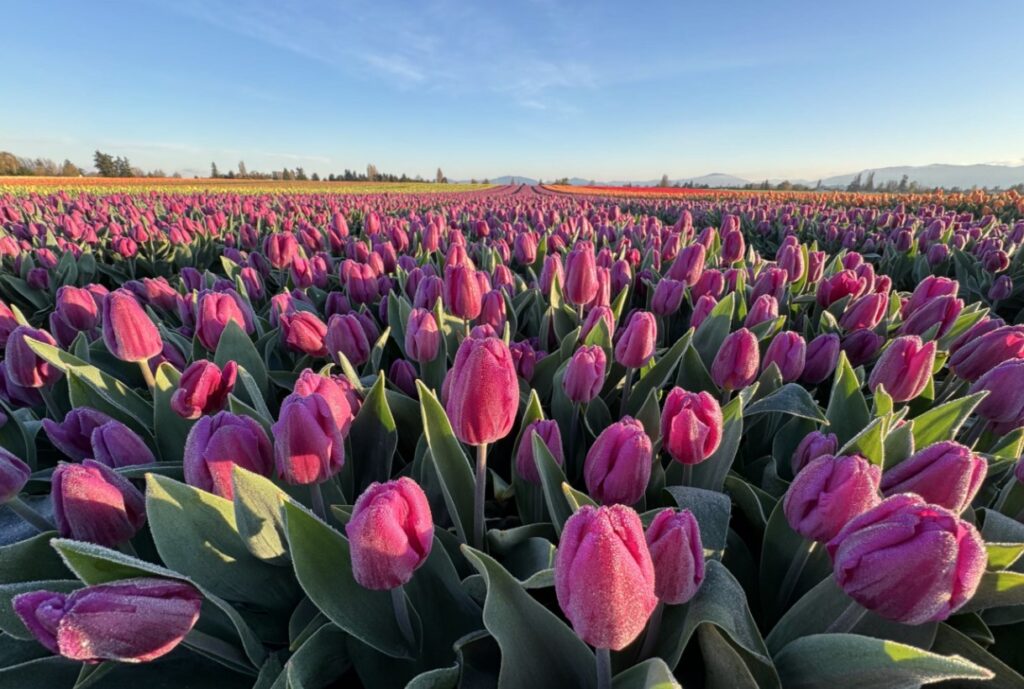
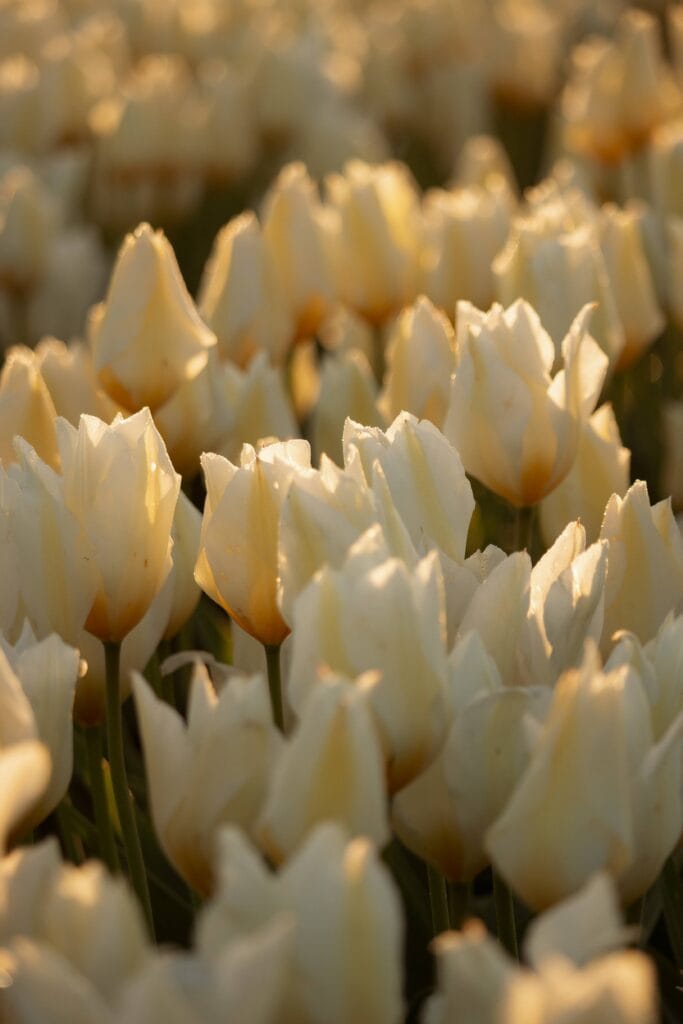
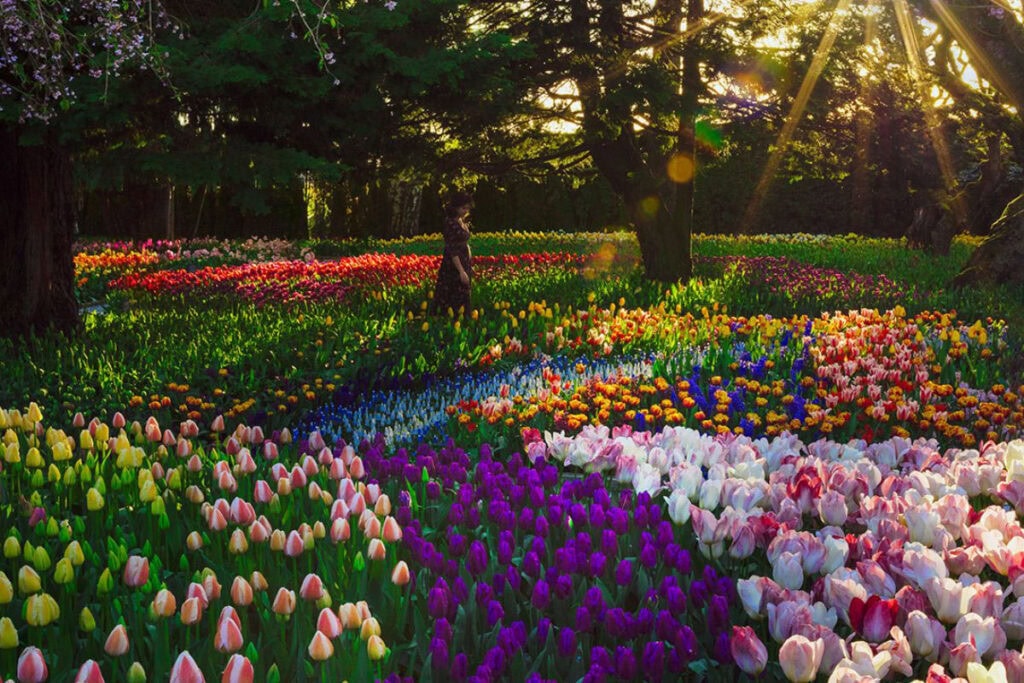
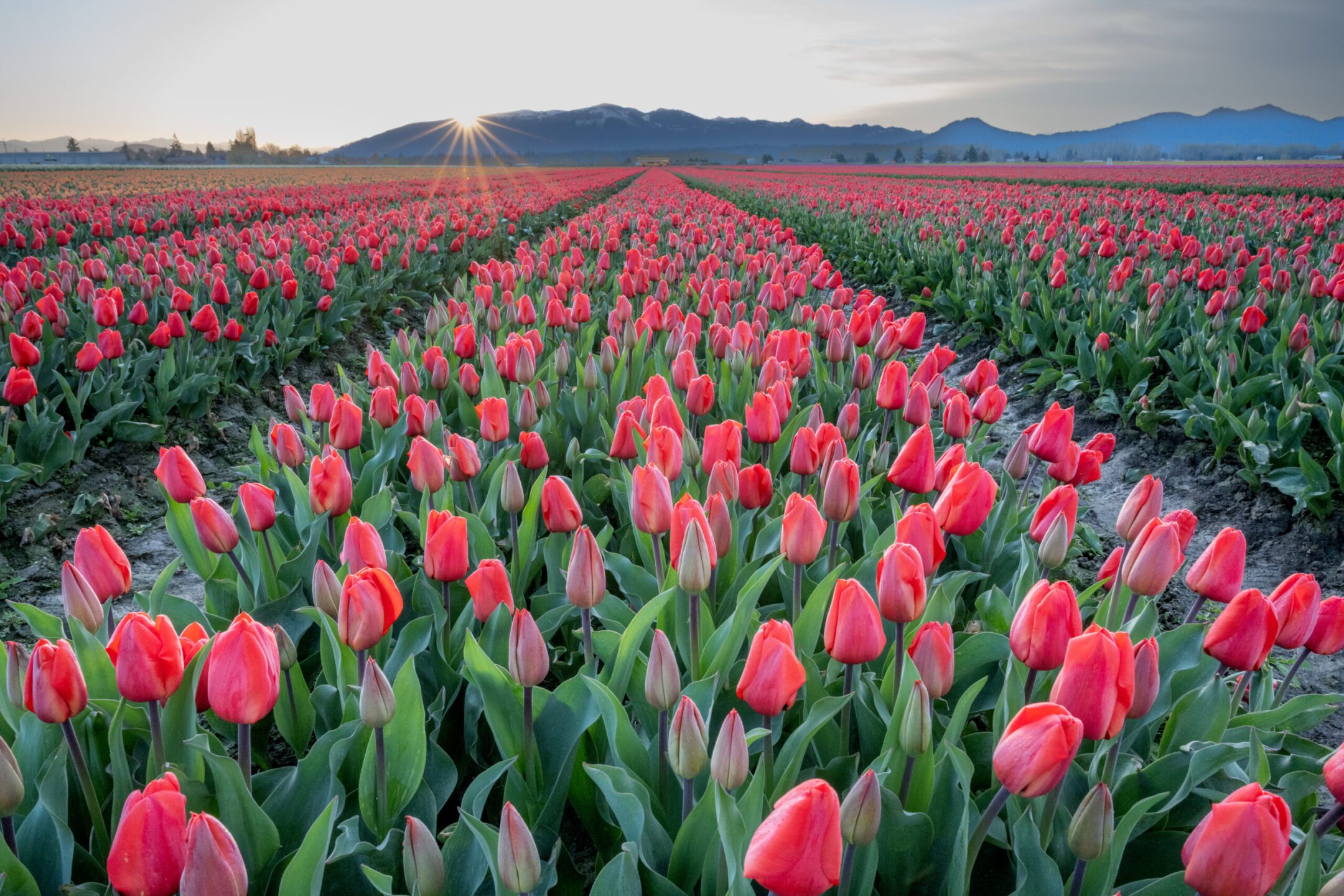
This is the moment we’ve all been waiting for. With a little sunshine and a lot of behind-the-scenes care, tulips finally bloom—unfurling petals in stunning shades from soft pastels to bold, vibrant hues.
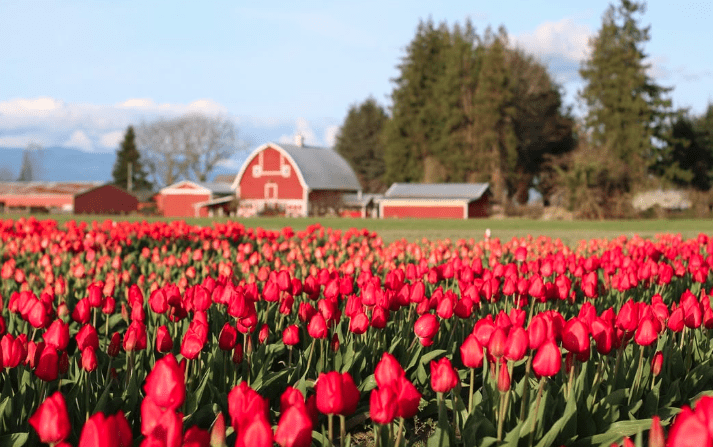
In Skagit Valley, the fields become a patchwork of color, attracting thousands of visitors. While it’s easy to get lost in the beauty, remember: this moment is the result of months of hard work (and more than a few muddy boots).
Tulip Trivia: Tulips are phototropic—they follow the light, even after being cut. So yes, even your bouquet is actively trying to look its best.
Stage 4 – The Work Behind the Wow
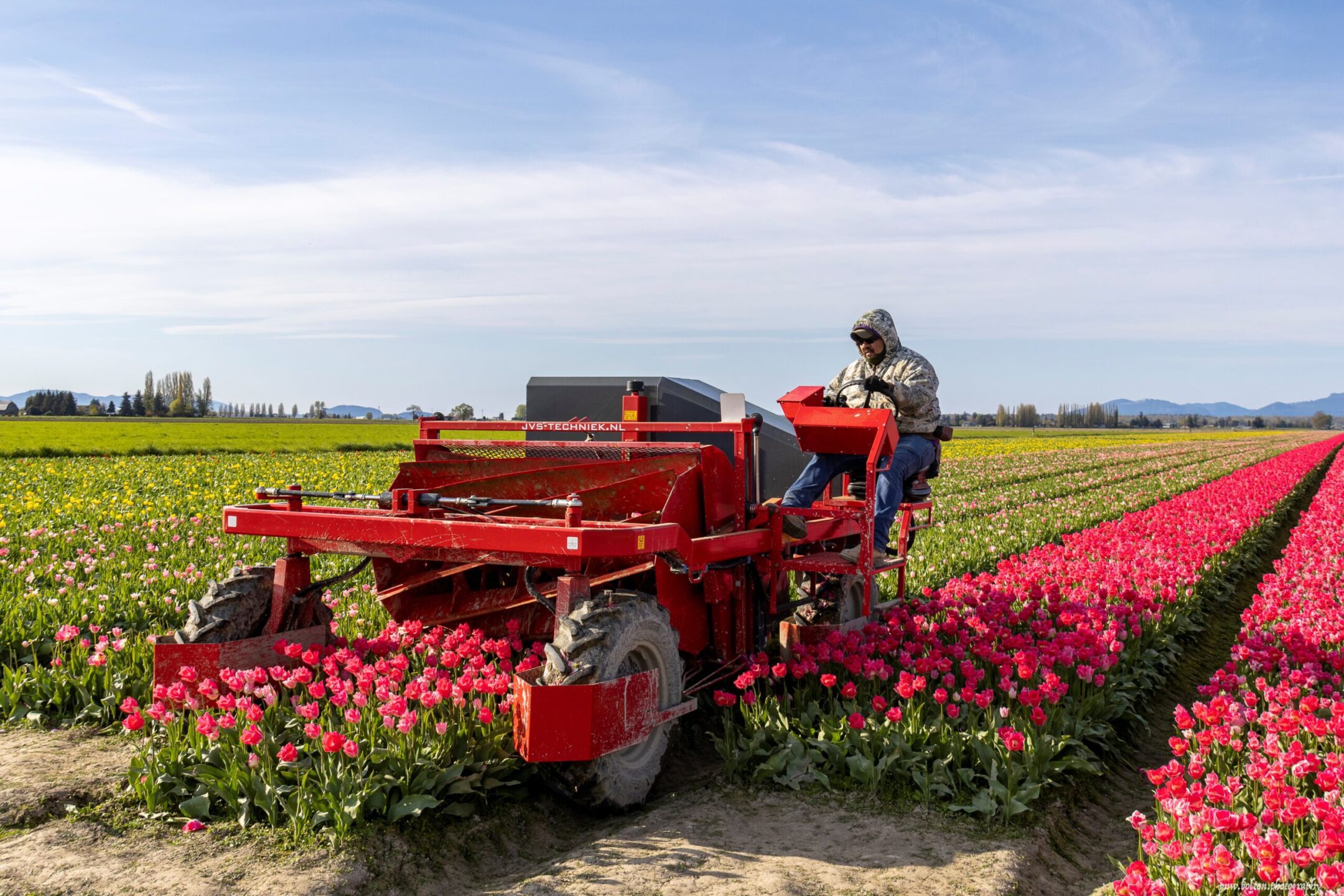
Tulip farming is both an art and science. Farmers plant bulbs in precise rows, timed perfectly for spring bloom. Once the bloom has peaked, farmers step in with a technique called topping—removing the flower heads. While it may seem abrupt, it’s a smart strategy. Removing the bloom allows the plant to focus all its energy underground, strengthening the bulb and helping it multiply. It’s not just smart—it’s essential for sustainable, high-quality tulip farming.
By early summer, once the leaves have withered and the bulb has absorbed every last bit of energy from the plant, it’s harvest time. Specialized equipment gently lifts the bulbs from the soil, revealing what’s been quietly developing underground.
After harvest, bulbs are carefully washed, dried, and cured in temperature- and humidity-controlled storage sheds to prevent rot and preserve dormancy. They’re then sorted by size and quality. Precise storage keeps each bulb healthy and ready fall planting.
Fun Fact: Most tulip farms rotate their crops to prevent soil disease and maintain long-term sustainability. One year’s tulip field may grow cover crops (like clover) or grains the next.
Stage 5 – The Cycle Continues
After a summer of rest and prep, tulip bulbs are ready for replanting in the fall—and the cycle begins again. It’s a rhythm that’s as dependable as it is beautiful, made possible by the dedication of farmers who work year-round for a few weeks of breathtaking bloom.
By understanding the tulip’s life cycle, we gain a deeper appreciation for the skill and care it takes to grow them—and a greater respect for the farmers behind the flowers.
So, the next time you see a tulip in full bloom…. remember it’s the result of over a year of care, planning, and a whole lot of hard work. From quiet beginnings underground to their springtime debut, tulips are a beautiful reminder that good things come to those who wait (and plant bulbs).
Ready to plant your own tulip magic? You can order bulbs online from some of the tulip farms like RoozenGaarde and Tulip Town, perfect for planning a vibrant spring garden.